Why Google’s New AI Search Guidelines Signal the End of Traditional SEO as We Know It
Google's new AI search guidelines reveal how retrieval-augmented generation and query fan-out are fundamentally changing SEO from keyword optimization to knowledge authority. Indian businesses must adapt by creating comprehensive, authoritative content that serves as source material for AI-generated responses.
A recent post on X showed Google’s official documentation about optimizing websites for generative AI features, sparking over 400,000 views and thousands of bookmarks. The document’s central question—”Is SEO still relevant for generative AI search?”—has profound implications for how Indian businesses approach digital marketing in an AI-first world.
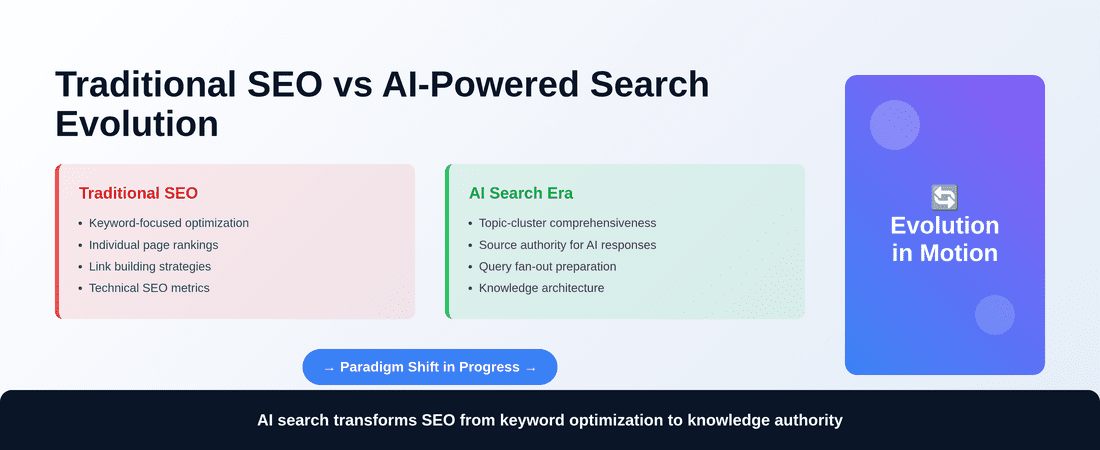
Google’s answer was diplomatically reassuring: “In short, yes! The best practices for SEO continue to be relevant.” But reading between the lines reveals a more complex reality. We’re witnessing the most significant transformation in search behavior since Google’s inception, and traditional SEO practitioners who don’t adapt will find themselves obsolete.
The Technical Revolution Behind AI Search
Google’s documentation introduces two critical concepts that fundamentally alter how search works: retrieval-augmented generation (RAG) and query fan-out. These aren’t just technical improvements—they represent a paradigm shift in how search engines understand and respond to user intent.
Retrieval-augmented generation, as Google explains, is “a technique (also known as grounding) that improves AI response quality by using core Search ranking systems to retrieve relevant, up-to-date web pages, then generating responses with clickable links to supporting sources.” This means your content isn’t just competing for ranking positions anymore—it’s competing to become source material for AI-generated responses.
Query fan-out adds another layer of complexity. When someone searches for “how to fix a lawn that’s full of weeds,” the AI system simultaneously generates related queries like “best herbicides for lawns,” “remove weeds without chemicals,” and “how to prevent weeds in lawn.” Your content must now satisfy not just the primary query, but anticipate and address these related searches to maintain visibility.
For Indian businesses, this shift is particularly significant. A Mumbai-based gardening service that previously optimized for “lawn care Mumbai” now needs content that comprehensively addresses the entire ecosystem of lawn-related queries their customers might have.
The Authority Consolidation Problem
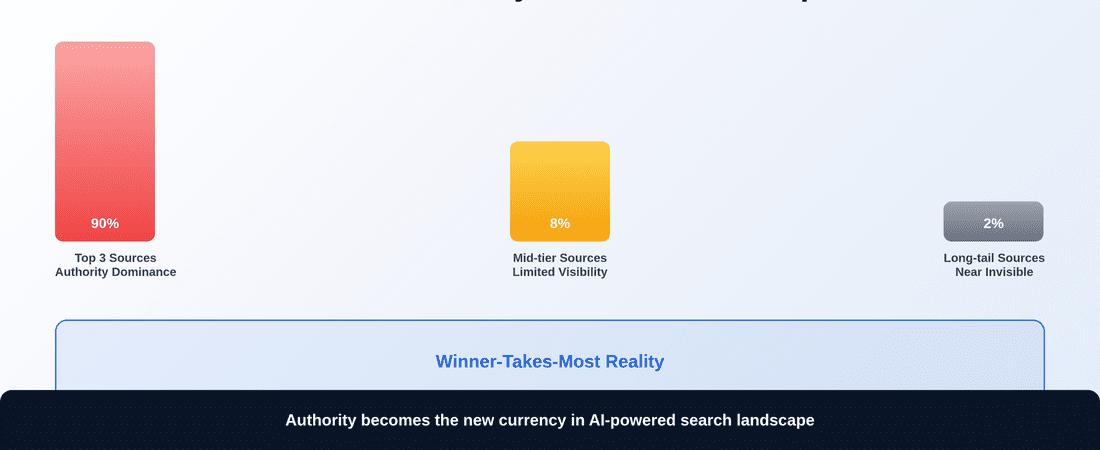
The most profound implication of Google’s AI search features isn’t what they explicitly state—it’s what they implicitly create: a massive consolidation of search visibility among authoritative sources. When AI systems generate responses using RAG, they don’t democratically pull from hundreds of sources. They identify the most authoritative, comprehensive sources and use those as primary references.
This creates a winner-takes-most scenario that traditional SEO never fully achieved. Previously, page two and three of search results still received some traffic. In an AI-generated response world, if you’re not among the top sources feeding the AI, you might as well not exist.
Consider the implications for Indian e-commerce. A small electronics retailer in Bangalore competing against established players like Flipkart or Amazon now faces an even steeper challenge. The AI system will likely prioritize comprehensive product information, detailed specifications, and authoritative reviews—areas where larger players have natural advantages.
Content Strategy in the Age of Query Fan-Out
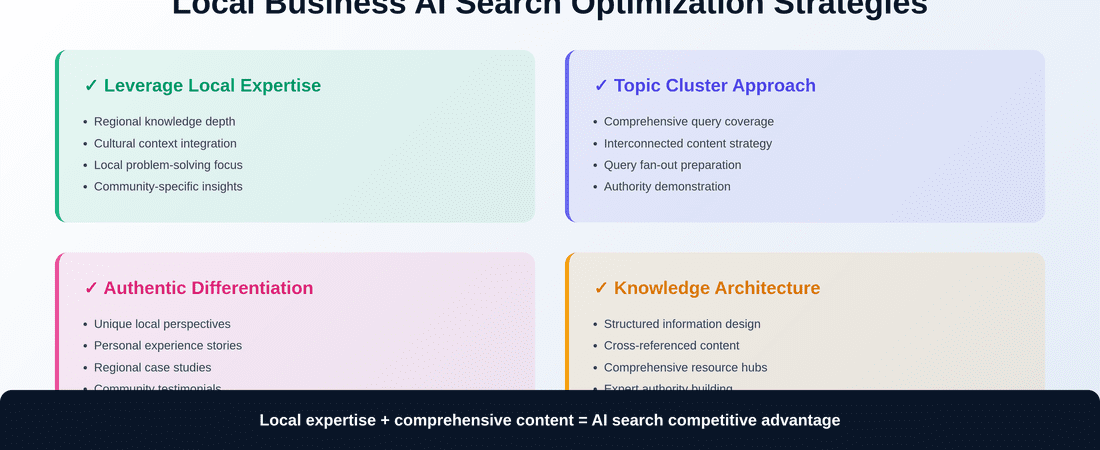
Query fan-out fundamentally changes content strategy from keyword-focused to topic-cluster focused. The traditional approach of creating separate pages for “digital marketing Delhi,” “SEO services Delhi,” and “social media marketing Delhi” becomes insufficient when AI systems expect comprehensive, interconnected content addressing the full spectrum of related queries.
Successful content strategies must now anticipate the questions AI systems will generate around your primary topics. If you’re a Chennai-based financial advisor, your content about “retirement planning” must also address related queries the AI might generate: “retirement corpus calculation India,” “PPF vs ELSS for retirement,” “retirement planning for women,” and “tax-saving retirement investments.”
This shift favors businesses that can create authoritative, comprehensive content over those that rely on keyword stuffing or thin content strategies. It’s a move toward genuine expertise and away from SEO gaming—which, paradoxically, might create a healthier digital ecosystem in the long run.
The Local Business Adaptation Challenge
For local Indian businesses, the implications are mixed. On one hand, AI search’s preference for comprehensive, authoritative content might disadvantage small businesses that lack resources for extensive content creation. On the other hand, AI systems’ ability to understand context and intent could help local businesses compete more effectively against generic, national players.
A local restaurant in Pune that creates detailed content about regional Maharashtrian cuisine, local ingredients, and cultural context might find itself featured in AI responses about authentic local dining—something a national chain couldn’t replicate.
The key lies in leveraging local expertise and authentic knowledge that larger competitors can’t easily replicate. This requires a shift from thinking about SEO as technical optimization to viewing it as knowledge architecture.
Economic Implications for Digital Marketing Industry
The transformation Google describes will reshape India’s digital marketing industry. Traditional SEO agencies focused on link building, keyword density, and technical optimizations will need to evolve into content strategy and knowledge management consultancies.
This shift could actually benefit the Indian market. Our strength in content creation, technical writing, and subject matter expertise aligns well with what AI search systems value. Companies that can create comprehensive, authoritative content at scale—something Indian firms excel at—will find new opportunities in this evolving landscape.
However, the barrier to entry for effective SEO is rising. Small businesses that previously could compete with basic optimization techniques now need sophisticated content strategies and deep subject matter expertise.
Preparing for the Post-SEO Future
Google’s documentation represents more than guidelines—it’s a roadmap for a fundamental shift in how information discovery works online. The businesses that thrive will be those that stop thinking about “optimizing for search engines” and start thinking about “becoming the definitive source of information in their domain.”
For Indian businesses, this means investing in genuine expertise, comprehensive content creation, and authoritative knowledge sharing. The question isn’t whether SEO remains relevant—it’s whether you’re building the kind of authoritative, comprehensive content that AI systems will value in an era where being good enough is no longer enough.
The winners in this new landscape won’t be those who game the system best, but those who genuinely serve their audiences most comprehensively. In that sense, Google’s AI search evolution might finally align search optimization with its original promise: rewarding the most helpful, authoritative, and user-focused content.