n8n and SAP Partnership Brings Visual AI Workflow Building to Enterprise Systems
n8n partners with SAP to embed visual workflow automation in Joule Studio, enabling drag-and-drop AI workflow building across SAP and third-party systems. General availability planned for Q3 2026 with early adopter programs starting after SAP Sapphire previews.
According to n8n’s announcement on their blog, the workflow automation platform is partnering with SAP to embed its visual workflow builder directly into SAP’s Joule Studio on the Business AI Platform. This integration promises to give SAP developers a drag-and-drop interface for building AI workflows that connect SAP systems with external tools and services.
The partnership addresses a key challenge in enterprise automation: connecting SAP’s powerful business systems with the broader ecosystem of tools that organizations actually use day-to-day. Instead of requiring custom code or complex integration projects, teams will be able to visually design workflows that span SAP and third-party services from a single canvas.
What n8n Inside SAP Joule Studio Actually Does
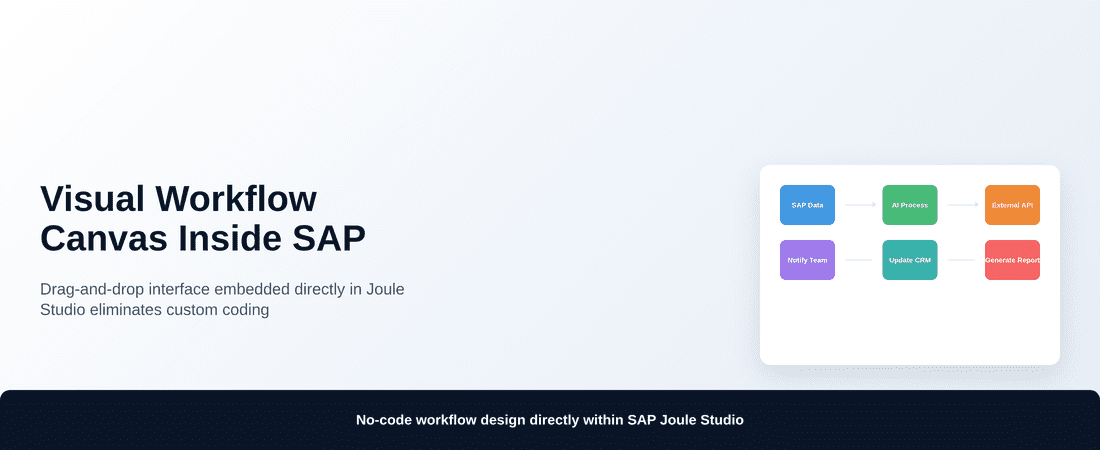
The integration places n8n’s visual workflow editor directly within SAP’s Joule Studio environment. According to Sebastian Steinhaeuser, SAP’s Chief Operating Officer, this gives teams “a powerful visual workflow engine embedded into SAP’s Business AI Platform and enriched by our business process and data context.”
The key capability here is orchestration — coordinating multiple systems and AI agents to work together automatically. Teams can design workflows that pull data from SAP, process it through AI models, send results to external tools, and loop back with updates, all without writing code.
SAP handles the infrastructure concerns: identity management, access controls, and compliance requirements are built into the platform. For organizations operating under GDPR or sector-specific regulations, the compliance framework comes standard since workflows run on SAP’s existing cloud infrastructure.
Practical Automation for Indian Enterprises
Consider a mid-sized Indian manufacturing company using SAP for inventory management and financial planning. Today, when a production order is completed in SAP, someone manually updates the inventory status, sends notifications to the sales team via WhatsApp Business, updates stock levels in their e-commerce system, and triggers reorder workflows for suppliers.
With n8n embedded in their SAP environment, this becomes a visual workflow: SAP production completion triggers automatic inventory updates, sends templated WhatsApp messages through the Business API, syncs stock data to their online store, and generates purchase orders for suppliers based on reorder thresholds. The entire process runs automatically while maintaining audit trails for compliance.
The n8n team describes over 1,000 integrations available in their platform, spanning business tools, databases, AI models, and cloud platforms. For Indian businesses, this could mean connecting SAP to local tools like Tally for accounting synchronization, RazorPay for payment processing, or Zoho CRM for customer management.
Visual Building Versus Traditional Integration
Traditional SAP integrations require specialized ABAP developers or expensive middleware platforms. The visual canvas approach democratizes this process — business analysts can design workflows using drag-and-drop components, then hand them to developers for refinement.
Jan Oberhauser, n8n’s CEO, positions this as bringing n8n “into one of the largest enterprise ecosystems in the world” while giving their community “a native connection to one of the most trusted platforms in enterprise software.”
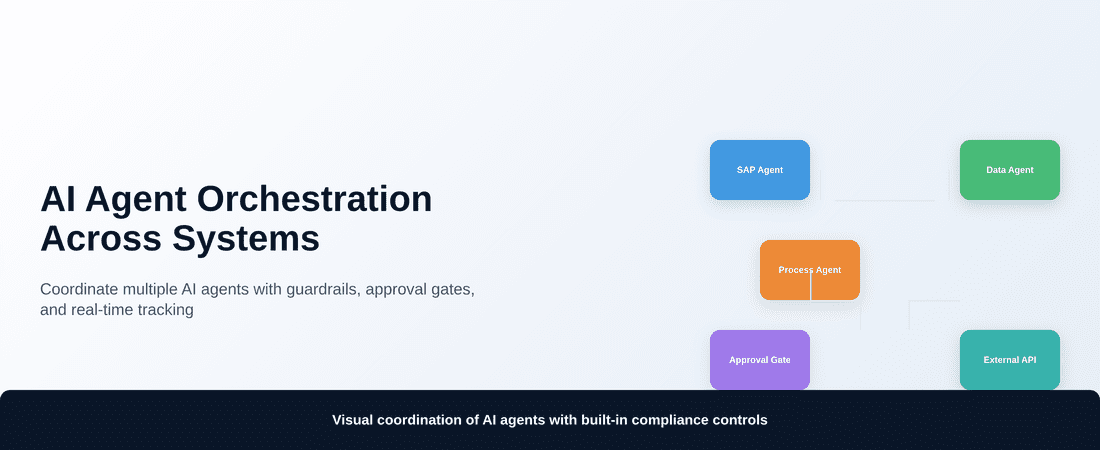
The canvas supports complex workflow logic including branching conditions, loops, error handling, and retry mechanisms. For agentic systems, developers can coordinate multiple AI agents, set guardrails like PII detection, include human approval checkpoints, and track agent actions in real-time.
Integration Limitations for Indian Organizations
Several practical constraints affect how useful this integration will be for Indian enterprises:
What’s Coming and When
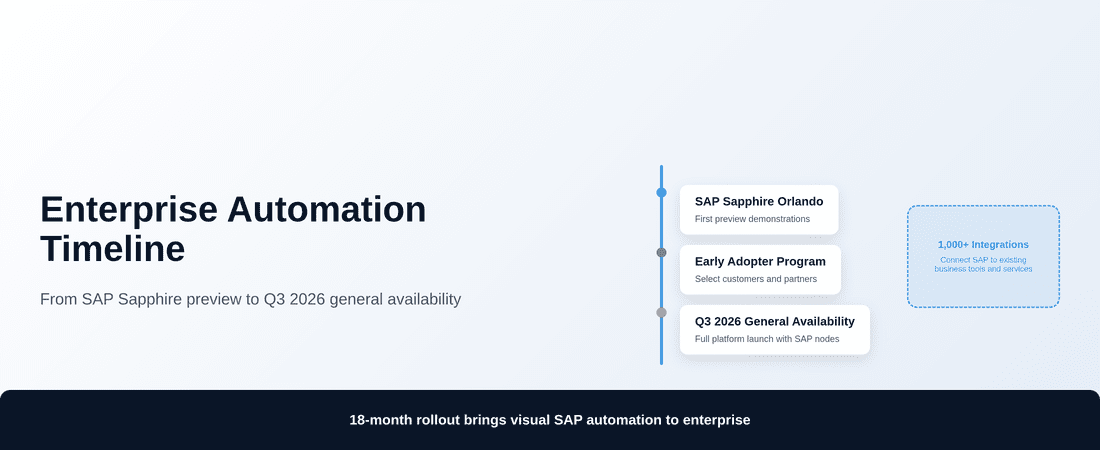
The partnership includes development of SAP-specific nodes that will provide tighter integration with SAP Business AI Platform and native access to SAP’s AI models through their AI Core infrastructure. According to the announcement, attendees of SAP Sapphire in Orlando are getting first previews, with early adopter programs for select customers and partners to follow.
General availability is planned for Q3 2026, with SAP software nodes rolling out alongside the Joule Studio integration.
Getting Ready for Visual SAP Automation
For Indian organizations currently using SAP, this partnership represents a significant shift toward no-code integration capabilities. The visual workflow approach could reduce dependence on specialized SAP developers while making business process automation more accessible to analysts and operations teams.
Start by identifying repetitive manual processes that span SAP and external systems. Document current workarounds — the spreadsheet exports, email notifications, and manual data entry that happen around your SAP workflows. These represent automation opportunities that visual workflow tools are designed to address.
Keep monitoring SAP’s Joule Studio announcements and n8n’s community forums for updates on Indian market availability and regional integration support. The Q3 2026 timeline gives organizations time to evaluate existing automation needs and prepare teams for a more visual approach to enterprise integration.
The real test will be whether this embedded approach delivers on its promise of democratizing SAP automation, or whether the complexity of enterprise requirements still demands specialized technical expertise despite the visual interface.